Versatile Applications and Industry Adaptability
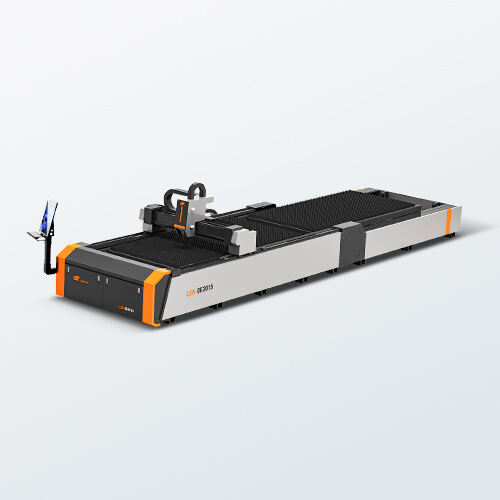
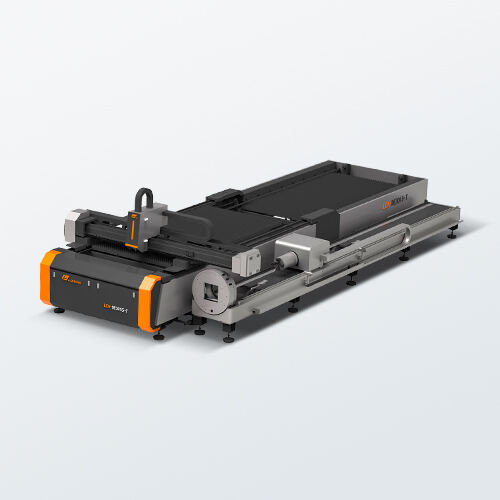
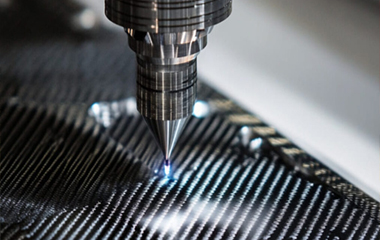
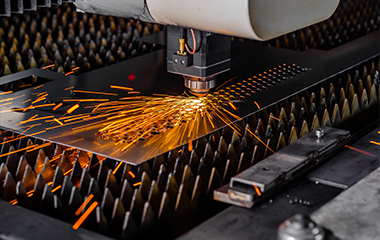
The cheap fiber laser demonstrates remarkable versatility across numerous industries and applications, providing manufacturers with flexible solutions that adapt to evolving production requirements and diverse material processing challenges. This adaptability eliminates the need for multiple specialized machines, reducing capital equipment investments while maximizing manufacturing capabilities and operational efficiency. The technology excels in automotive manufacturing for precision cutting of body panels, engine components, and exhaust systems, delivering clean edges and exact dimensional accuracy required for modern vehicle assembly processes. Electronics industry applications include circuit board processing, component marking, and precision drilling of micro-vias in printed circuit boards with tolerances measured in micrometers. Aerospace applications leverage the precision capabilities for turbine blade manufacturing, structural component fabrication, and weight-reduction modifications that enhance fuel efficiency without compromising structural integrity. Medical device manufacturing benefits from the sterile processing environment and precision capabilities required for surgical instruments, implants, and diagnostic equipment components. Jewelry and decorative arts industries utilize the fine detail capabilities for intricate engraving, personalization, and artistic creation that would be impossible with traditional machining methods. Architectural metalwork applications include structural steel fabrication, decorative panels, and custom building components that require both precision and aesthetic appeal. The cheap fiber laser processes materials ranging from thin foils measuring micrometers to thick plates several centimeters deep, accommodating diverse project requirements within a single versatile system. Material compatibility spans metals including steel, stainless steel, aluminum, titanium, and exotic alloys, as well as non-metallic materials such as plastics, composites, and ceramics. Process flexibility supports cutting, welding, marking, engraving, surface texturing, and heat treatment applications through parameter adjustment rather than equipment replacement. The technology adapts to prototype development, small batch production, and high-volume manufacturing scenarios with equal effectiveness, making it suitable for job shops, production facilities, and research institutions seeking comprehensive laser processing capabilities in a cost-effective package.

 EN
EN