
 EN
EN
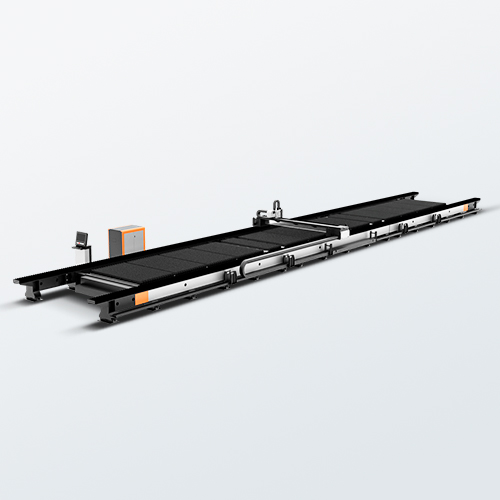
Deconstructing Technology Selection in Industrial Metal Fabrication
appropriate cutting technology represents a fundamental operational pivot that determines workshop throughput, edge quality, and overall cost-per-part efficiency. With multiple thermal and mechanical cutting methods available in the marketplace, procurement teams frequently evaluate whether a solid-state fiber laser cutting system aligns with their specific production realities. A calculated capital investment requires looking beyond marketing brochures to analyze how specific technologies interface with volume requirements, material metallurgy, and long-term operating expenditures. A fiber laser cutting machine is not a universal solution for every material substrate; rather, it is a highly specialized, elite manufacturing asset engineered to deliver maximum capital efficiency under specific high-performance constraints.
Optoelectronic Advantages and Material Metallurgy Alignment
Understanding the operational threshold of fiber laser technology begins with its unique optoelectronic architecture, which utilizes a solid-state laser source to generate a highly concentrated beam delivered via flexible fiber optic cables directly to the cutting head. Unlike traditional gas-based CO2 laser systems, this solid-state configuration yields a remarkably tight focal spot and exceptional energy density, enabling significantly accelerated linear cutting speeds on thin-to-medium gauge sheet metals while maintaining high electrical efficiency. This specific wave profile makes fiber lasers exceptionally proficient at processing non-ferrous and highly reflective alloys—such as aluminum, brass, and copper—materials that traditionally present catastrophic back-reflection risks to older gas laser architectures. To fully exploit this energy profile, modern premium platforms integrate advanced, fully automated cutting heads featuring real-time dynamic autofocusing systems that adjust focal positions seamlessly based on material density, successfully eliminating manual setup bottlenecks and ensuring pristine, burr-free edge quality across diverse metallic batches.
Commercial Justifications for High-Volume Precision Execution
A transition to fiber laser technology becomes commercially viable when a manufacturing facility requires continuous, high-volume production paired with strict dimensional consistency. Because premium industrial laser cutting systems leverage high-rigidity machine beds and synchronized kinematic motion components, they sustain micro-level repeating accuracy and fluid acceleration across consecutive multi-shift operations without structural thermal degradation. For fabricators producing complex components destined for precise downstream assembly lines or rigid aerospace and automotive sectors, this mechanical reliability effectively eliminates traditional inspection bottlenecks and manual secondary grinding. Furthermore, the modern integration of intelligent software solutions—such as vision-based automatic nesting and adaptive beam parameter calibration—allows versatile workshops to process varying material thicknesses within the same production cycle, optimizing sheet utilization and minimizing raw scrap material waste during complex nesting runs.
Analyzing Technical Limitations and Long-Term Operating Overhead
Despite its manufacturing dominance in metal processing, fiber laser technology introduces specific technical limitations that procurement teams must systematically weigh against alternative cutting methods. If a manufacturing facility primarily processes non-metallic substrates—such as plastics, engineered woods, structural ceramics, or thick textiles—the specialized wavelength of a fiber laser is physically incapable of clean absorption, making alternative technologies like CO2 lasers or precision waterjet systems far more appropriate and cost-effective. Additionally, while solid-state systems dramatically lower ongoing operating expenditures by eliminating complex internal optics and gas-filled tubes, they demand a consistent volume of high-purity auxiliary processing gases alongside premium optical consumables to prevent unauthorized downtime. Therefore, for fabrication facilities running low-capacity runs or focusing exclusively on complex structural pipe geometries rather than flat sheet fabrication, evaluating specialized tube-processing machinery or baseline plasma cutting configurations may offer a more balanced cost-to-benefit ratio across the equipment lifespan.
Conclusion: Calibrating Engineering Capabilities with Market Demands
Ultimately, the strategic decision to deploy a fiber laser cutting system depends on a scientific calibration of material specialization, volume requirements, and future market scaling goals. Prioritizing the lowest upfront equipment cost without analyzing long-term kinematic reliability, component sourcing availability, and structural machine bed damping results in severe operational liabilities. By systematically aligning capital procurement with core metallurgy demands and factory automation objectives, manufacturing enterprises secure a high-uptime production asset that maximizes operational throughput while driving down the long-term total cost of ownership.
Table of Contents
- Deconstructing Technology Selection in Industrial Metal Fabrication
- Optoelectronic Advantages and Material Metallurgy Alignment
- Commercial Justifications for High-Volume Precision Execution
- Analyzing Technical Limitations and Long-Term Operating Overhead
- Conclusion: Calibrating Engineering Capabilities with Market Demands