
 EN
EN
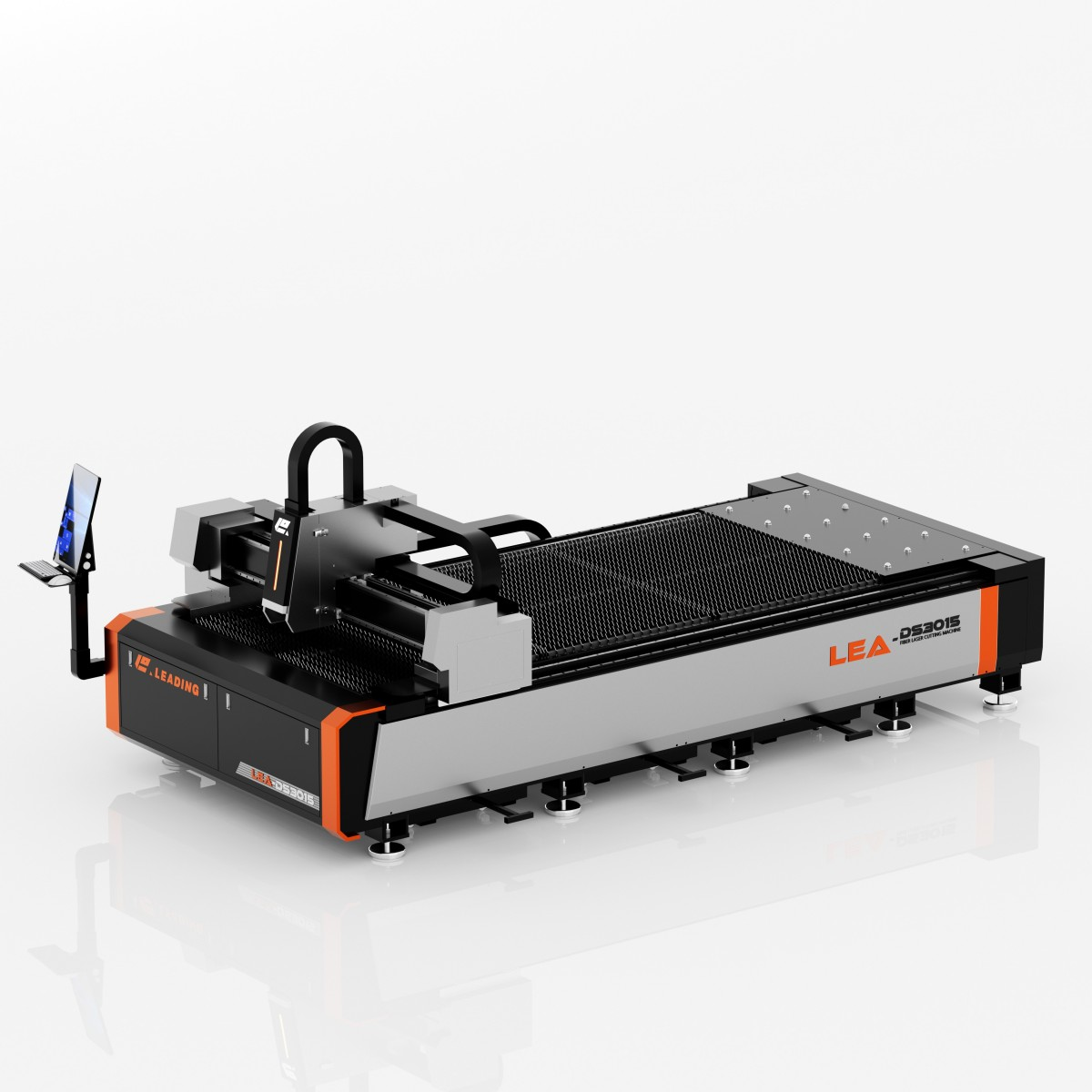
Diagnostics and Risk Mitigation in Automated Profile Fabrication
An industrial CNC tube laser cutting system is a highly integrated, multi-axis manufacturing asset operating under severe mechanical loads, volatile thermal dynamics, and strict micro-level repeating tolerances. In high-volume fabrication environments, minor processing deviations or system interruptions are rarely indicative of baseline equipment failure; rather, they are the predictable consequences of continuous multi-shift operation interacting with variable metal metallurgies and environmental dust. For production managers, developing a systematic, data-driven framework for real-time troubleshooting is essential to maximize workshop throughput and prevent prolonged machinery downtime. Effectively resolving core operational issues—ranging from localized beam degradation to kinematic positioning drift—requires a technical understanding of how optoelectronic components, pneumatic clamping mechanics, and CNC software control layers interface with each other during active fabrication cycles.
Rectifying Optoelectronic Degradation and Kinematic Collision Risks
Inconsistent cut quality, rough edge topographies, and heavy dross formation are primarily driven by localized optoelectronic misalignment or secondary contamination within the cutting assembly. When unexpected edge variations occur, the primary diagnostic protocol requires inspecting the status of the internal protective windows, as microscopic metallic dust or assist gas moisture instantly alters beam profiling and thermal energy density. This challenge is mitigated in premium cutting platforms through advanced automated cutting heads equipped with real-time dynamic autofocusing sensors that automatically modulate focal points based on material thickness, safeguarding internal optical elements from back-reflection damage. Furthermore, processing structural tubes introduces severe geometry challenges, such as unexpected material lifting or profile twisting, which present catastrophic collision risks to the laser head. Modern industrial systems solve this physical hazard by integrating intelligent CNC control software featuring real-time, vision-based active obstacle avoidance algorithms. These synchronized systems automatically alter the vertical motion axis of the cutting head ahead of geometric obstructions, maintaining fluid linear feeds without sacrificing structural tolerances.
Optimizing Pneumatic Clamping Mechanics and Overcoming Material Deflection
Dimensional inaccuracies and part shifting during high-acceleration profiling are heavily correlated with inconsistencies within the machinery's chuck and material clamping systems. Achieving precise multi-axis synchronous rotation requires matching structural profile geometries—such as square, rectangular, hexagonal, or customized oval tubes—with custom-engineered jaw inserts rather than relying on standard round-tube configurations, which create concentrated point contact and introduce severe material deflection. Operational audits must include continuous verification of the pneumatic pressure thresholds feeding the front and rear synchronous chucks, ensuring sufficient clamping torque is maintained across the entire tube profile without causing surface deformation on thin-walled structural metals. Additionally, continuous high-speed rotation generates substantial harmonic vibration and tube sagging on longer workpieces, making it essential to integrate synchronized pneumatic support rollers that dynamically adjust their height profiles relative to the active cutting zone, preserving kinematic alignment and isolating the laser source from structural feedback vibrations.
Mitigating Thermal Accuracy Drift and CNC System Communication Faults
Over extended production runs across consecutive shifts, continuous friction and rapid directional changes generate substantial operational heat, which can introduce subtle thermal displacement within the linear guide rails and drive mechanics. When dimensional deviations emerge between parts processed at the start and conclusion of a production run, the core maintenance response must focus on the rack and pinion drive train and linear bearing guides, ensuring that automated lubrication cycles are precisely calibrated to eliminate microscopic debris accumulation and minimize mechanical backlash. Finally, modern smart factory platforms rely on complex communication protocols between the centralized CNC control software, servo motor drives, and the laser source. When unexpected technical control system errors arise, completing a structured sequence—including verifying physical fiber-optic shielding, analyzing historical system log sequences, and performing coordinated cold-boot cycles—effectively clears minor data synchronization conflicts, restoring complete automated processing capacity without requiring emergency localized service support.
Conclusion: Securing Operational Longevity through Predictive Troubleshooting
Ultimately, managing a high-performance tube laser cutting system requires transitioning from reactive machinery maintenance to a structured model of predictive technical diagnostics. Prioritizing low procurement quotes or neglecting systematic operational protocols directly compromises long-term kinematic reliability and increases total cost of ownership through unauthorized production shutdowns. By systematically correlating real-time processing feedback with optoelectronic calibration, pneumatic integrity, and rigid mechanical upkeep, manufacturing enterprises secure an optimized, high-uptime production infrastructure that delivers flawless fabrication consistency across all structural profiles.
Table of Contents
- Diagnostics and Risk Mitigation in Automated Profile Fabrication
- Rectifying Optoelectronic Degradation and Kinematic Collision Risks
- Optimizing Pneumatic Clamping Mechanics and Overcoming Material Deflection
- Mitigating Thermal Accuracy Drift and CNC System Communication Faults
- Conclusion: Securing Operational Longevity through Predictive Troubleshooting